
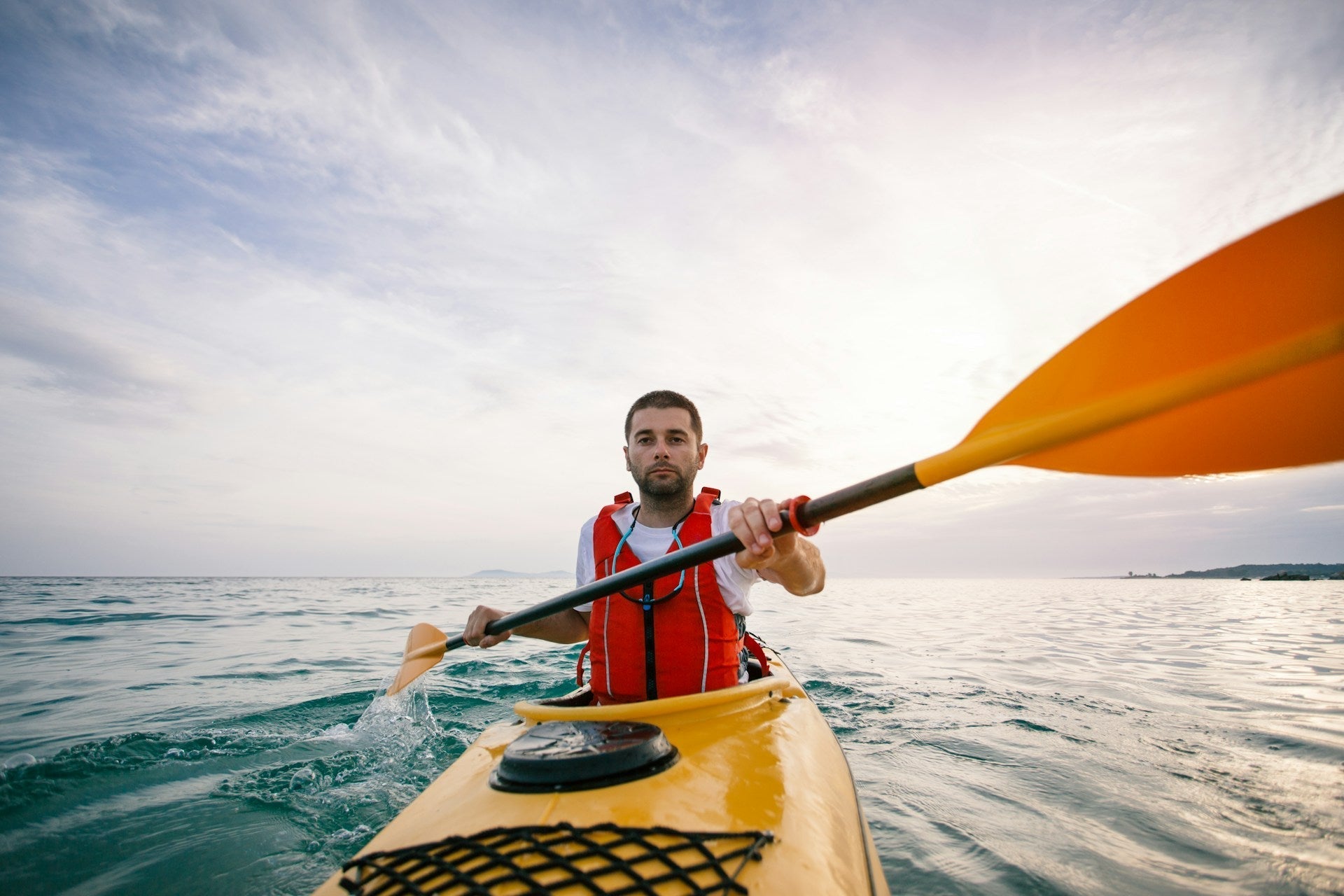
Sydney’s autumn paddling season is one of those times when the water still invites you in, but the weather begins to shift. Early April usually brings crisp mornings, with a chill that bites a little more when you’re near the coast or out on open water. By late morning or midday, though, things start to warm up. This back and forth means your clothes need to keep up with every part of the day.
Wearing the right kayak clothes can mean the difference between a relaxed paddle and an uncomfortable session. Autumn does not call for the thick layers of winter, but you still want thoughtful choices that help you manage cooler air, light winds, and the odd passing shower. When picking your kit, it helps to plan for changing weather and layer up in a way that works not just when you launch, but all the way through to packing up.
Understanding Autumn Weather Conditions on Sydney’s Waterways
Once summer fades out, Sydney’s autumn brings a slower pace to the mornings. If you're by the water before the sun climbs properly, the air can feel colder than expected. Add water spray or movement from the paddle and it cools your body down even faster. This is something we’ve noticed time and again, what felt fine before launching starts to feel cold once you’re a few minutes in.
Here’s what to expect and why it matters when choosing what to wear:
- Early mornings are cooler, especially on bays or rivers without much shelter from the wind
- Winds often rise by mid-morning, pulling cool air across the surface and making things feel colder
- Light rain or passing showers are common, so clothes should either shed water or dry fast
Paddling in these in-between months is great, but having clothing that matches the weather helps make the whole experience more enjoyable.
Choosing Base Layers That Balance Warmth and Breathability
Start with your base layer, it sits closest to your skin and plays the biggest role in keeping you comfortable. When we’re on the water in April, our base gear needs to be breathable, warm enough for cool starts, but not so thick that you overheat by midday.
Here are a few things we look out for when it comes to base layers:
- Choose soft, moisture-wicking tops and leggings that move sweat away from the body
- Avoid cotton, which traps moisture and makes you feel colder once it’s wet
- Pick thermal fabric for cooler mornings and lighter gear for midday paddles
Even a light synthetic layer can take the edge off when the air’s brisk. If you’re someone who tends to feel the cold, having a spare to change into halfway through your session can make a big difference. The Nordic Kayaks clothing range includes pieces like the Longsleeve Paddling Shirt and Long Sleeve Rash Top that work well as breathable base or mid layers for cooler days on the water.
The Importance of Outer Layers for Wind and Splash Protection
Once you've sorted the base, think about how to keep wind and splash from undoing all that careful dressing. Outer layers do not need to be bulky, but they should block the wind and resist water where they can.
We keep this in mind when packing outer layers:
- Lightweight windproof jackets help buffer sharp gusts but should still let sweat escape
- Paddle pants or waterproof over trousers are handy when water splashes up from the kayak
- Sleeveless or short-sleeved options are good for midday warmth, but full tops work best early in the day
Autumn does not always bring heavy rain, but a light jacket that can roll into a dry bag is worth having on hand.
Don’t Forget Hands, Feet, and Head Comfort
It’s easy to think of clothes as just tops and bottoms, but your hands, feet, and head all feel the cold too, especially when you’re gripping a paddle or getting in and out of the kayak.
We always pack a bit of extra gear for warmth and comfort:
- Neoprene socks keep your toes warmer, especially when the water’s cooler than the air
- Fingerless paddle gloves stop your grip from slipping and add a bit of comfort for longer sessions
- A lightweight hat or headband helps hold in body warmth early in the day and blocks low sun when needed
These simple extras might not seem important at first, but they’re often what people regret not having. At Nordic Kayaks NSW you can choose from neoprene paddling pants, neoprene socks, and several cap and visor styles, so it is easy to match your clothing to Sydney’s changing autumn conditions.
Fit, Flexibility, and Clothing Function on the Water
Whatever you wear needs to fit well and move with you. This is one of the most overlooked parts of kayak clothes, something might look fine in a shop but feel tight or awkward once you're seated in the boat.
Here are a few things that help:
- Snug but stretchy clothes help avoid drag or flapping without getting in the way of movement
- Check where zips, seams, and pockets sit while you're in paddle position
- Try squatting, leaning, and rotating in your kit before committing to wearing it on a trip
Comfort leads to better stroke control, and over several hours, small annoyances grow bigger. So getting this part right from the start can make the whole experience better.
Ready for Every Autumn Session
Planning what to wear does not have to mean packing loads of gear. A few good choices, matched to Sydney’s changing autumn days, helps you paddle longer, feel better, and stay focused on the experience. Whether your session starts under a cloudy morning sky or finishes in afternoon sun, it’s good to keep kit close by that works through both.
Knowing the local patterns and dressing once for the entire paddle, not just the launch, keeps things simple. With some thoughtful layering and a bit of flexibility, you’ll find the paddle more comfortable and your focus stays where it belongs: on the water.
Sydney’s weather can be unpredictable, so making sure your kit includes reliable layers and well-fitted extras is key to a comfortable paddle every time. Our range of kayak clothes is tried and tested on local waters, ready to handle everything from fresh mornings to splashy midday sessions without weighing you down. At Nordic Kayaks NSW, we’re here to help you find what works best for your next outing, so contact us if you’d like advice.