
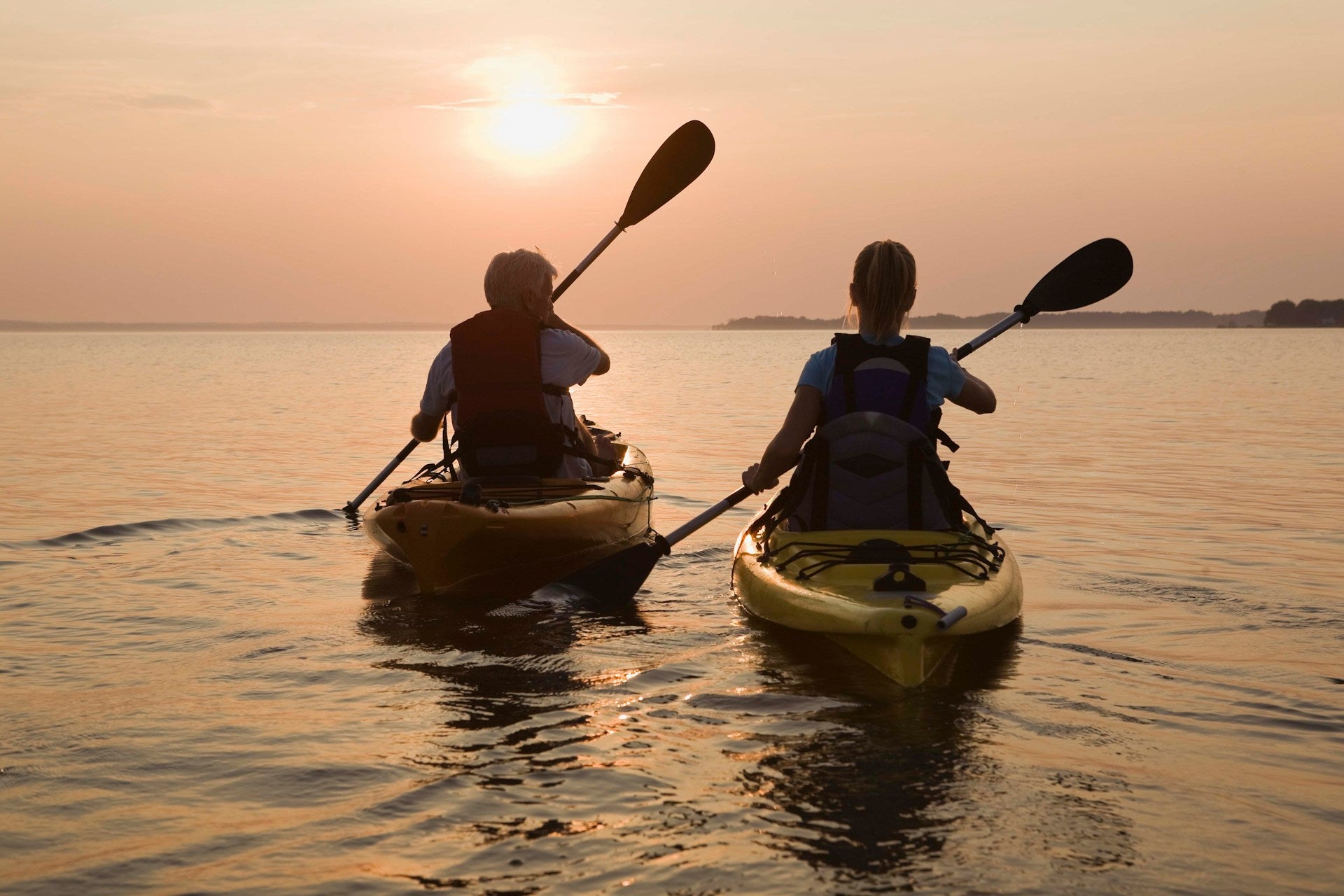
Carbon kayak paddles are a popular pick for those who want something light, strong and responsive on the water. They’re built using layers of carbon fibre, bonded together to create a paddle that feels stiff but light in your hands. You’ll find them in the hands of beginner paddlers and experienced surf ski racers alike, especially around Sydney, where coastline conditions can shift from calm to choppy pretty quickly. But while carbon paddles are known for their high performance, one thing people often overlook is how changes in temperature can affect how they actually perform.
Whether you're heading out during a hot summer morning or catching the last paddle of the day during late spring, outdoor temperatures can play a bigger role than you’d expect. Heat and cold can change a paddle in subtle ways. It might bend slightly more, carry a bit of flex it didn’t have before, or even lose that solid feel you’re used to. These shifts may not always be obvious at first, but over time, they can affect your technique, comfort and how you control your kayak. That’s why it's worth paying attention to how temperature changes can impact your gear, especially your carbon kayak paddle.
Understanding Temperature Effects on Carbon Kayak Paddles
Carbon fibre gets its popularity for a few good reasons. It's lightweight, incredibly strong and doesn’t absorb water like some other materials do. That makes it ideal for building paddles that feel snappy and responsive while staying tough across many different paddling conditions. Whether you're paddling across a calm stretch of water or digging into rougher ocean swells, carbon paddles let your strokes stay clean and sharp without wasting extra energy.
But just like any other material made with layers and resins, carbon fibre reacts to its environment. When it’s exposed to temperature swings, especially the kind we see in late spring across Sydney, the fibres and resin bonds inside a carbon paddle can expand or contract. These changes might be small but still enough to shift how your paddle feels in action.
Here’s how those shifts play out:
- Heat can soften the resin that holds the fibres together. That doesn't mean your paddle will turn floppy, but it can feel slightly different, less firm with more flex during strokes
- Cold weather, on the other hand, can make the paddle stiffer. While this can help with control in some situations, it can also make the paddle more brittle and susceptible to impact
- Sudden changes, like going from cool storage to hot sunlight, can stress the material. Over time, that back-and-forth can wear down areas where fibres or resin are weakest
For example, let’s say you keep your paddle stored in the back of your car while you're grabbing coffee before heading to the shore. The air inside the car heats up fast, especially around Sydney as temperatures climb in November. If your paddle’s been sitting under that heat for an hour, the resin may soften slightly. Once you're on the water, the paddle might not feel quite as stiff or assuring in those first few strokes.
Knowing how temperature affects your carbon kayak paddle helps you stay in control no matter the conditions. Instead of your gear reacting unpredictably, you’ll understand how to spot changes and know what to expect as the seasons shift.
Performance Changes in Different Temperatures
Paddling in Sydney means facing a wide range of temperatures. Hot, sunny days can quickly heat up both your paddle and your kayak. On the flip side, early mornings in the water or off-season paddles in mild conditions may expose your paddle to much lower temps. Both situations change how your paddle performs under pressure.
Here's what to watch out for when the temperature shifts:
1. Cold Conditions
- Your paddle may get stiffer, making each stroke feel more rigid
- This stiffness might feel like better control at first but can also be tiring over time
- Sudden impacts or drops during colder weather might increase the risk of cracking or minor fractures
2. Hot Conditions
- Your paddle may flex more than usual, especially during strong strokes
- Some paddlers notice a slightly softer response, which could affect power and timing
- Storing paddles in direct sunlight or a hot car before use might exaggerate these effects
3. Fluctuating Temperatures
- Moving from hot outdoor storage to cool water, or vice versa, can stress the materials
- This can lead to tiny separations at the seams over time if the paddle isn’t properly cared for
- Even the feel of the grip might change slightly depending on humidity and surface heat
A paddle that responds differently depending on the weather can throw off your rhythm, especially during longer sessions. If one day your paddle feels firm and balanced, but on another it seems slightly too flexy or too stiff, it’s likely because of the day’s temperature rather than any major fault. Understanding these patterns can help you prepare better, readjust your technique and take simple steps that will protect your paddle’s condition in the long run.
Tips for Maintaining Paddle Performance
Caring for your carbon kayak paddle doesn't have to be complicated, but it does take a bit of thought, especially when you're dealing with changing temperatures. Keeping it in top shape means paying attention to the conditions it's exposed to and making a habit of checking it regularly.
To help your paddle last longer and keep performing well, here are a few straightforward tips:
- Avoid heat traps: Don’t leave your paddle in places like the back of a car, roof storage or anywhere that can get extremely hot. Temperatures rise sharply in enclosed spaces, and repeated heating can weaken the paddle’s bond over time
- Rinse after use: Saltwater can sneak into small cracks and imperfections. Give the paddle a quick rinse with fresh water after every use, especially if you’ve been in the ocean
- Dry before storing: Moisture combined with fluctuating temperatures can cause unnecessary stress on the materials. Let the paddle dry fully before packing it away
- Store in a cool, shaded spot: A garage or shaded shed works well. If you're storing it outside temporarily, cover it with a paddle bag or towel to block direct sunlight
- Inspect for small cracks or fraying: Every few outings, take a minute to check for signs of damage. Areas near the blade edge or connection points tend to show wear first. If anything looks suspicious, it’s better to have it looked at before heading back on the water
Even simple things like how you carry the paddle can make a difference. Avoid dragging it or dropping it on hard surfaces, and never use it to push off sharp rocks or jetties. Treat the paddle like a precision tool that you rely on, and it’ll usually look after you in return.
Choosing the Right Paddle for Variable Conditions
When you paddle across different conditions, especially somewhere like Sydney where mornings can be cool and afternoons heat up quickly, you want a paddle that will hold up no matter what the weather throws at it. Choosing a high-quality carbon paddle is part of that. But knowing what to look for when picking one makes a big difference too.
Focus on these features if you're selecting a carbon paddle suitable for mixed temperatures:
- Layered construction: Some paddles use a blend of carbon and fibreglass. This can offer added durability without compromising too much on weight or feel. It’s usually a good balance if you don’t paddle in the same type of weather all the time
- Heat-resistant resin bonding: Not all carbon paddles are built the same. Those designed with better thermal resistance perform more consistently in warm conditions
- Blade shape and stiffness: If you know you’ll be paddling in colder water more regularly, look for a stiffer blade to avoid energy loss. On hotter days, slightly more flexibility might feel better after a long session
- Join systems: If your paddle is two-piece or has adjustable length settings, make sure the locking systems don’t loosen with expansion. Metal components can behave differently in heat
Also, try to think ahead before heading out. Are you paddling early in the day with a chill still in the air, or setting off around midday when the sun is strongest? Being aware of how the temperature may shift during your session lets you plan paddle choice and timing to suit the forecast.
If you've got more than one paddle, use the one that fits the weather best instead of defaulting to your favourite. Some paddlers switch between a stiffer paddle and a slightly more flexible one based on expected temperatures. It might take a bit of trial and error, but getting the feel right will definitely help your overall performance in the long run.
Paddle with Confidence in Any Weather
Sydney’s weather can jump between cool mornings and hot afternoons without much warning, and those conditions can directly affect how your carbon kayak paddle performs. Paying close attention to how your paddle responds to different temperatures, and taking the time to store and maintain it properly, helps you get the most from each session.
No gear lasts forever, but a well-cared-for paddle can stay with you for years if you treat it right. Getting to know how it changes with the seasons, where it starts to show wear, and what feels normal when conditions shift will make your paddling more enjoyable and a lot more consistent. When you're confident that your paddle will behave the same way every time, you're free to focus on technique, distance and soaking in the moment on the water.
Whether you're a seasoned paddler or just starting out, having the right gear makes all the difference. To explore our selection of high-performance carbon kayak paddle options that are built to handle the ever-changing conditions around Sydney, trust Nordic Kayaks NSW to help you find the one that suits your paddling style and keeps you ready for any adventure.