
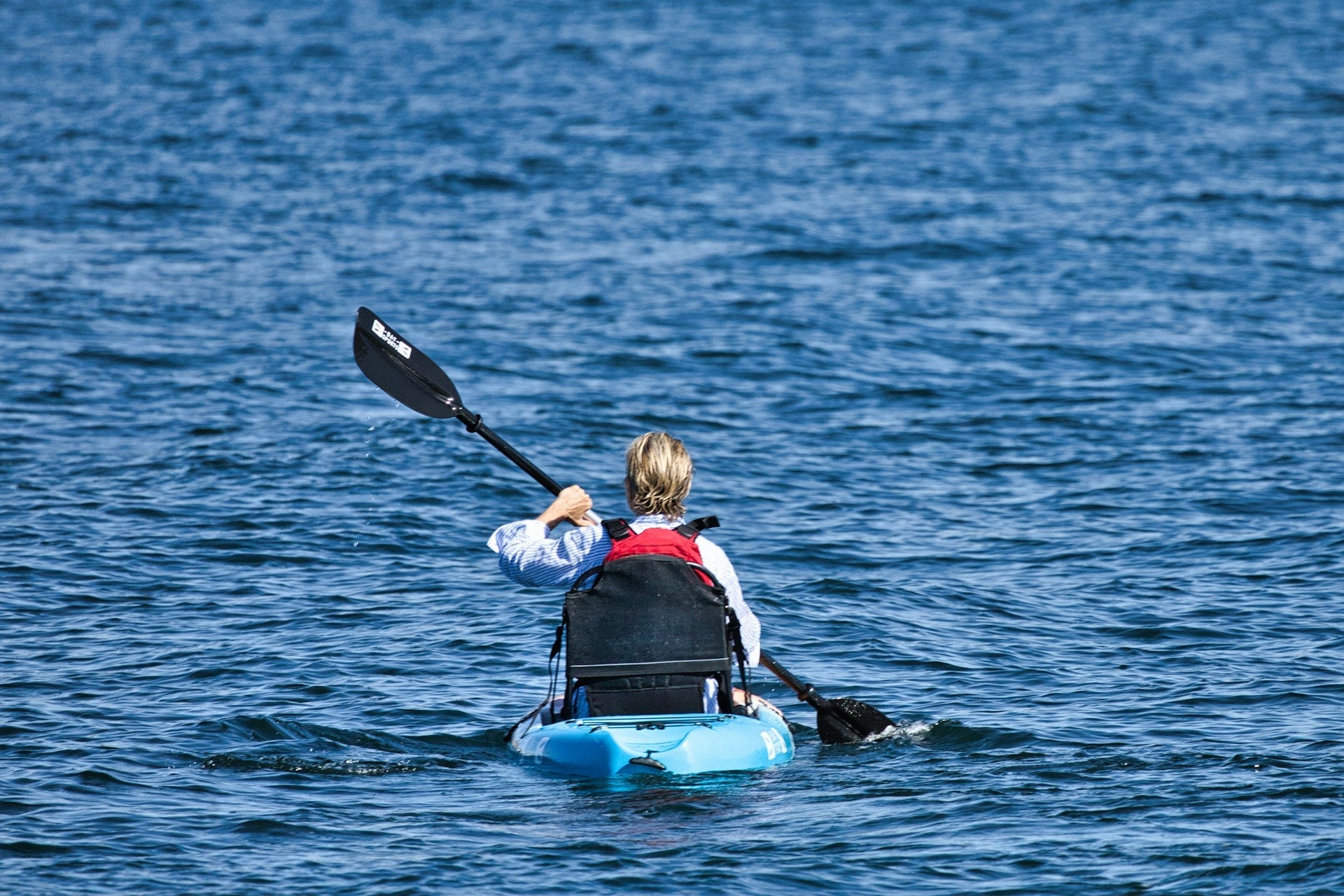
Paddle Smart, Go Faster: Why Sizing Matters
The right paddle size can make you feel faster and more stable straight away. With a good setup, your stroke feels light, your boat tracks cleanly, and your shoulders stay happy, even in cold morning sessions or lumpy winter swells along the Australian coast.
Three parts of the paddle work together: shaft length, blade size, and feather angle. These need to match your height, the width of your surf ski or kayak, and how you like to paddle. Small changes in any one of these can change how the whole stroke feels. That is why guessing from a chart is rarely enough, especially for ocean paddlers.
Matching Paddle Length to Your Height and Boat
Paddle length starts with your body. Height and arm span decide how far you can comfortably reach out front and over the side of the boat. If the paddle is a good match, you get a solid catch without over-stretching.
As a simple guide for surf skis and performance kayaks used in Australia:
- Shorter paddlers often sit around 205 to 210 cm
- Average height paddlers often sit around 207 to 213 cm
- Taller paddlers often sit around 210 to 215 cm or slightly above
Boat width then tweaks that range. Narrow ocean skis allow a shorter length, because your hands sit closer to the water. Wider touring kayaks usually need a bit more length so you can reach the water cleanly without hunching or over-rotating.
Many surf ski paddlers here choose slightly shorter, adjustable shafts for choppy winter downwind runs. Shorter paddles can help:
- Keep cadence high when you are chasing runs
- Reduce strain on shoulders when the water is rough
- Make bracing and quick direction changes feel sharper
Go too long and you tend to:
- Over-reach at the front
- Pull past your hip, which wastes energy
- Load up shoulders and lower back
Too short and you:
- Lose a strong catch
- Feel like the blade slips
- Have to spin the stroke very fast to hold speed
Adjustable shafts are a smart choice if you paddle different skis, share a paddle, or are still fine-tuning technique. A couple of cm either way can be the difference between feeling heavy and feeling smooth.
Choosing Blade Size for Power, Fitness, and Conditions
Blade size controls how much water you grab with each stroke. Bigger blades feel powerful but ask more from your muscles and joints. Smaller blades feel lighter and usually let you hold a higher cadence for longer.
A simple way to think about it:
-
Small blades: lighter feel, higher cadence, kinder on joints
-
Medium blades: balanced power and comfort for most fitness paddlers
- Large blades: strong pull, best for powerful paddlers with solid technique
For many Australian ocean paddlers:
- New surf ski paddlers often start with a small or small-to-medium blade. It is easier to focus on technique without overloading the shoulders.
- Fitness paddlers doing club sessions or harbour paddles often settle on a medium blade for a mix of speed and comfort.
- Ocean racers who like to sprint onto runs may use a medium-to-large blade if their strength and technique are ready for it.
- Multisport athletes usually go a bit smaller so they save energy for running and riding.
Blade size affects how your joints feel, especially in long winter training blocks when cold muscles are not as forgiving. Signs your blade might be too big include:
- Shoulder or elbow niggles after shorter sessions
- Feeling like the blade locks too hard at the catch
- Struggling to hold a smooth cadence without fading
Starting slightly smaller and building good form is often the safer path. As your strength and technique grow, you can always go up in blade size or length if needed.
Setting Feather Angle for Comfort and Control
Feather angle is the twist between the two blades. One blade lies flat in the water while the other cuts through the air at an angle. The right angle helps your top wrist stay comfortable and reduces wind drag on the recovery.
Common feather angles and who they often suit:
-
0°: both blades flat, simple for beginners or casual lake paddling
-
About 30°: popular for beginners and river paddlers moving into ocean paddling
-
About 45°: a common middle ground for many surf ski and sea kayak paddlers
- About 60°: often used by experienced racers who like a very positive catch and are used to that feel
On the NSW coast, where crosswinds and side chop are common, some feather helps the top blade slice through the air instead of catching the wind. But too much feather can twist the wrist if your grip is tight or your setup is not right.
A simple way to tune feather on the water:
- Start around 30° to 40° if you are unsure
- Paddle for 10 to 15 minutes focusing on relaxed hands and straight wrists
- If your wrists feel bent or strained, reduce the angle a little
- If the top blade feels like a big sail in the wind, increase the angle a little
With gloves or pogies in winter, make sure you are not gripping too hard. A light, loose grip lets the shaft rotate just enough so your wrists stay in a neutral position.
Fine-Tuning Your Paddle to Your Paddling Style
Once length, blade size, and feather are in the right zone, you can match the setup to how and where you actually paddle. Different styles favour slightly different choices.
For example:
- High-cadence downwind paddling: slightly shorter length, smaller or medium blade, moderate feather for quick strokes and easy bracing.
- Steady-state fitness paddling: medium length, medium blade, feather angle that feels kind on wrists for longer sets.
- Technical race starts and short events: some paddlers like a touch more length or a slightly larger blade for powerful starts, if their body can handle it.
- Long touring days: relaxed length, smaller to medium blade, and whatever feather angle keeps shoulders and wrists happiest.
Water type and season also play a part. Winter groundswell and harbour chop might push you toward a slightly shorter, more agile setup that lets you brace and change direction quickly. Flatwater training on rivers or lakes can feel better with a touch more length and a steady rhythm.
There are many kayak paddles in Australia that look similar on paper but feel very different under load. Small tweaks, like 0.5 cm of length or 5 degrees of feather, can change how your stroke connects with the water. Testing different options on the water is often the quickest way to find that sweet spot where the paddle feels like part of your body.
Frequently Asked Questions About Kayak Paddle Sizing
1. What is the best paddle length for ocean paddling in Australia?
The best length depends on your height, boat width, and technique, but many adult surf ski paddlers use adjustable shafts in the 205 to 215 cm range. Taller paddlers and those in wider kayaks may go a bit longer. It is usually better to start slightly shorter and focus on clean technique rather than fight a paddle that is too long.
2. How do I know if my blade size is too big?
Common signs are sore shoulders or elbows after shorter paddles, a feeling that the paddle grabs too hard at the catch, and trouble holding a steady cadence. If this sounds familiar, try a smaller blade or a touch less length, especially during heavier training blocks when you are more tired.
3. What feather angle should a beginner use?
Many beginners feel comfortable around 30 to 40 degrees, which gives a mix of easy wrist position and less wind drag. If you already paddle flatwater or whitewater, you might be used to 45 to 60 degrees. The best angle is the one that lets you keep a relaxed grip and straight wrists.
4. Are adjustable paddles worth it for surf ski paddlers?
Yes, adjustable paddles are very handy if you change skis, paddle in different conditions, or are still learning. Being able to change length by a cm or two and tweak feather angle lets you find what feels right over time instead of being locked into one fixed setup.
5. Can I use the same paddle for river, lake, and ocean paddling?
You can often use one well-chosen adjustable paddle for all three. The ideal settings might differ a little, with ocean paddling often working better with a touch shorter length and a blade that suits higher cadence in chop and swell. A versatile, adjustable setup makes it easier to adapt to wherever you paddle.
Find Your Ideal Paddle And Elevate Every Stroke
Ready to lift your performance on the water with the right gear behind every stroke? Explore our curated range of kayak paddles in Australia and match your paddling style with the blade shape, length and construction that truly suits you. If you want tailored advice on fit, feel or performance, contact us and we will help you choose with confidence. At Nordic Kayaks NSW, we are here to make sure every session on the water feels smoother, faster and more enjoyable.