
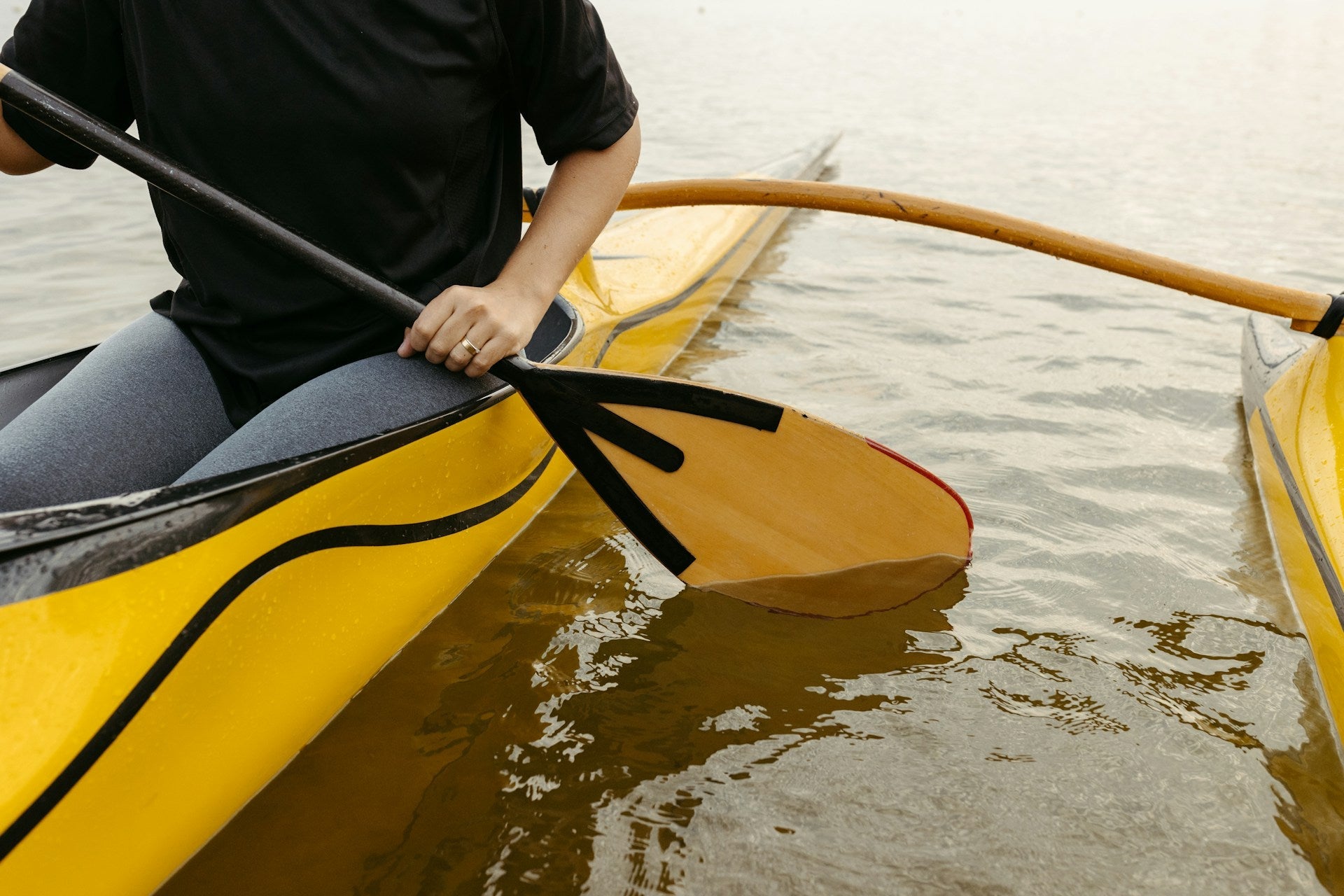
Autumn paddling around Sydney often means cooler starts, calmer seas, and a bit of fog on the water. It also brings a slow change in water feel and air temperature. A kayak rudder that was working fine all summer might start to feel sluggish or off-track if it's not checked before the season kicks in.
This time of year is a perfect window to give your kayak rudder a once-over. Whether you've been paddling every week or took a break during the hottest days, now is the right moment to check for wear, clear out sand and weed, and make small adjustments that will help you steer with ease through changing conditions. Let’s look at what’s worth paying attention to before autumn paddles become your norm.
Checking for Wear After a Busy Summer
Months of regular use through saltwater, sun, and sand can leave your rudder and its parts a little worse for wear. Warm summer weather often hides the small faults, but these can catch up once conditions cool and the water thickens with debris.
Start by giving the rudder blade itself a proper look. If it’s scratched, bent or wobbly when you try to shift it, there might be deeper damage than you realised. Then check the housing, control arms, and wires. Things to watch for include:
- A blade that doesn’t move fully from side to side
- Cable tension that feels either too tight or far too slack
- Clicking sounds or snags when you steer the foot pedals
These signs often mean parts have stretched or shifted slightly over summer and could get worse when water movement increases. Autumn winds tend to show up out of nowhere, so it's better to fix issues during the shoulder season than wait until something gives during a rougher paddle.
Simple Cleaning Tips Before the Leaves Fall
A lot of issues with steering begin with build-up rather than damage. Salt, weed, and sand tuck in where you least expect them, often around the pivot points and in the rudder shaft.
Before heading out on your first cool morning paddle, spend a bit of time clearing surface build-up with fresh water and a soft cloth. Use your hand to wiggle each section gently as you rinse so any gritty bits work their way out without scratching the surface. Here’s how you can clean safely:
- Rinse with fresh water after every trip, especially in saltwater
- Use a cloth or old toothbrush to gently scrub cable points and hinges
- Check under the stern for anything wrapped around the rudder like stringy weed
Avoid using oil or sprays unless you’re sure they won’t cause long-term wear to plastic or nylon parts. A simple clean now saves hours of frustration when things get cold and stiff later on.
Adjusting for Cooler Conditions and Changing Waters
Cooler mornings tend to tighten things up. Cables that moved freely in heat might feel sluggish or less flexible. That doesn’t mean something is broken, but it’s smart to check lengths and tension before you blame your paddling technique.
Our rudders often rely on fine cable adjustments to feel steady during a turn. A tiny bit too much slack, and your kayak drifts before anything happens. A bit too tight, and the steering becomes sharp and jerky even in smooth water.
If you’ve noticed hesitation when switching sides or extra effort to correct direction, try adjusting the foot pedal connection points slightly. Small updates make a big difference here:
- Pull cables gently when adjusting, never yank
- Watch how both sides react, one tight side can throw the other off
- After adjustments, test turns on calm water before setting off far
These small efforts now help avoid big surprises once cooler offshore breezes appear more often across the harbour or coast.
Rudder Setup for Autumn Conditions
Different seasons bring different paddling pressures. Autumn is often milder than peak summer or winter, but it’s still full of small changes that affect balance and course. Water flow near inlets might pick up. Offshore winds can sneak in on an otherwise calm day.
Your rudder position can help take the edge off all that. You don’t always need full deployment. Knowing when and how to shift your rudder setup puts you in better control. Here’s what we recommend thinking about:
- For gentle river paddles or shallow conditions, keeping the rudder higher gives better glide
- When wind or chop comes in side-on, a deeper rudder may help with tracking
- Long autumn sessions often mean more time spent seated, so test adjustments while resting your legs in paddle-ready positions
Many Nordic surfskis, including models such as the Breeze PE and Exrcize, are supplied with a Race rudder as standard and offer optional Surf, Weed, Race and Marathon rudder choices, so you can match your setup to the sort of autumn conditions you paddle in most often. There is also a dedicated weed rudder, 20 cm deep with an 8 mm shaft, which can be paired with a weed deflector mounted just in front of the rudder to reduce weed and algae build-up when the water is full of floating debris.
It’s all about comfort and response. Autumn paddles tend to be longer, quieter affairs, which makes them perfect for small gear tweaks you can feel out as you paddle.
Quiet Water Doesn’t Always Mean Easy Steering
Smooth water is pleasant, but it doesn’t mean everything’s working perfectly. A calm surface can hide a lazy rudder. If you find yourself correcting often, or if one side feels harder to push, there’s a good chance your rudder is getting stuck somewhere or drifting off-centre.
Routine checking stops these problems before they creep in. Start your paddle early with a light test turn on both sides. Reset the rudder if the paddle feels off. It can also help to shift your weight slightly and see if the kayak still tracks forward.
Keep an eye out for:
- Small pull to one side that wasn’t there previously
- Difference in pedal resistance when changing direction
- Delayed steering response from foot pressure
Nice weather doesn’t mean fewer problems. Light use and leftover summer wear can mix poorly with cooler air, so make sure your rudder is behaving even when the water looks calm.
Keep Your Autumn Paddle Steady and Smooth
Autumn brings a shift in pace. The sun feels different, the breeze changes angle, and the water picks up a bit more weight with each week. It’s a good time to slow down, set things right, and enjoy paddling without distraction.
Cleaning, adjusting, and checking your kayak rudder doesn’t take much. It gives you back control, helps your kayak track cleanly, and lowers the strain on your legs. More than that, it adds comfort to long paddles when the air gets crisp and quiet. Every small fix makes your trip easier, so take the time now before windy days return.
Preparing your gear for those crisp Sydney mornings means making sure everything is in top condition, especially your steering setup. Even subtle issues can become noticeable as conditions change on the water, so it's important to pay attention to how responsive your rudder is. Our Nordic Kayaks NSW team offers a selection of surf ski accessories, including parts for nearly every type of kayak rudder, to help you upgrade or replace worn components. We are here to keep your paddling experience smooth and enjoyable as the new season arrives.