
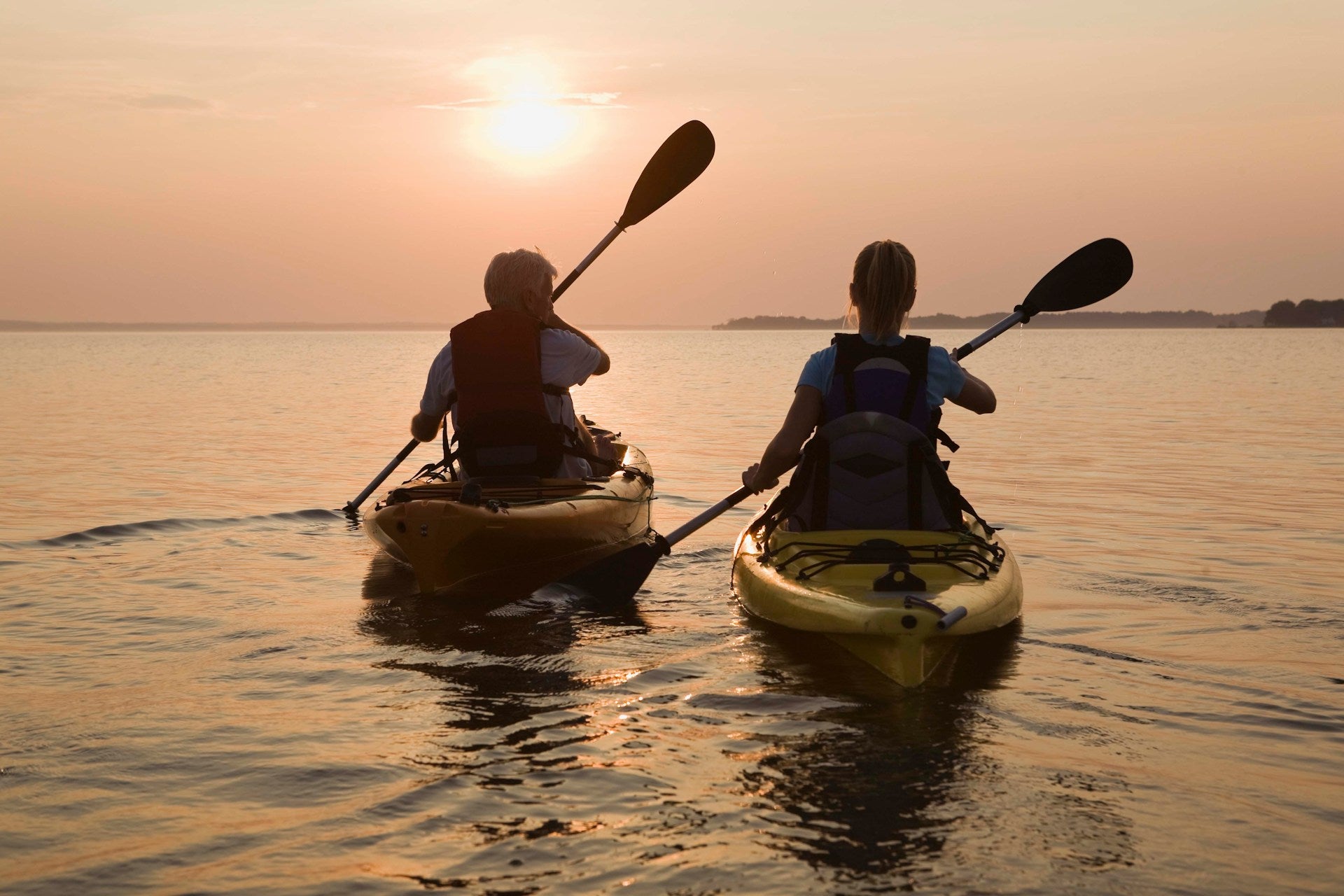
Switching between kayaks and surf skis can be a bit awkward at the start. If you have been paddling one type for a while, using the other can throw off your balance until you get used to the feel again. Your posture, stroke rhythm, and the boat’s response all change more than expected.
Autumn in Sydney brings calm mornings and mild water, ideal for working on stability and confidence. It is the perfect time to slow down and focus on your balance across both craft types. Whether you are preparing for club sessions or simply want to feel steadier during casual paddles, understanding how your weight shifts makes a real difference. Nordic Kayaks NSW is the one stop shop for all Nordic surf skis and accessories in NSW, where many paddlers transition between models and learn how each affects balance.
Understanding the Main Differences in Feel and Fit
Before working on your balance, note the differences between kayaks and surf skis. In a kayak, you are more enclosed with a tighter seat fit; a surf ski offers less physical contact with a straighter, forward-facing leg position. This difference affects how your hips and core engage. Paddle stroke techniques also differ: surf skis, being narrower and faster, demand quicker timing and recovery, while kayaks allow for slower stroke corrections.
- Surf skis have a higher sitting position, raising your center of gravity
- Kayaks feel more stable when stationary but are harder to correct mid-roll
- Surf skis pick up side wake quickly, requiring fast adjustment
- Kayaks distribute weight differently under paddle pressure
Within the Nordic range, options vary from the Club Line surf skis, designed as accessible and durable models for club and touring use, to the Exrcize, a 5.5 m by 54 cm surfski built for speed yet very stable for beginner to intermediate paddlers. These differences prepare your body and mind as you shift between them.
Balance Drills to Practise Before You Switch
Short sessions can improve steadiness. Find a quiet morning or late afternoon with calm water near the shoreline and try these routines:
- Sit with your paddle resting across your lap and shift your weight gently from side to side
- Perform half-strokes from the hips, focusing on clean blade entry and controlled exit
- Use gentle edge tilts just to sense how the water gripes your craft
To build core stability between sessions, incorporate walking lunges, standing balance on one foot, and light torso twists. Light, regular movement connects your lower back, hips, and belly, helping you sense balance in motion before you switch craft.
Choosing the Right Conditions for Making the Transition
Not every day is ideal for practicing transitions. Sydney’s autumn water can be peaceful early but may develop wind patterns later in the day. The best conditions for switching craft include:
- Light wind on a sheltered bay with minimal current
- Inlets or harbours with soft, sandy shallows for easy entry and exit
- Predictable tide movements that avoid unexpected pulls
Start on flat water to focus on how the boat responds without pressure to react quickly. Once you are comfortable adjusting weight shifts and refining your stroke, experiment with conditions featuring slight wind or wake.
Building Muscle Memory Across Craft Types
Your body learns quickly through repetition. Balance improves when you train both sides evenly. A heavier right stroke or a lower left hip may cause imbalance, making one craft feel easier and the other suddenly unstable. Practice simple, repeated steps:
- Enter and exit each craft slowly and in the same order to build an automatic routine
- Pause mid-stroke to check whether you are tipping or twisting
- Paddle in figure eights so your body adjusts naturally
These practices build muscle memory, leading to faster, more instinctive reactions when your balance is challenged.
What Gear Can Help (and What Might Not)
While movement and repetition build balance, the right gear can make the process smoother. Footplate position and rudder angle have a significant effect on control. Avoid overreaching or seating yourself with your knees too high, as this can disrupt hip engagement. In kayaks, sitting too deep may slow your response, and on surf skis, excessive seat padding might raise your center of gravity more than desired.
Choose lightweight clothing that doesn’t hold water or restrict rotation. You want full body movement without cling or drag, so well-fitted gear that stays in place and moves with your stroke is essential.
Confident on Both: Keeping Your Balance in Check Year-Round
Balancing between kayaks and surf skis is not about mastering both at once, but learning to read your body and shift setups naturally. Improved balance reduces awkward moments and helps you adjust faster when conditions change. As Sydney’s waterways cool in mid-autumn and traffic eases, it becomes an excellent time to focus on this training.
Confidence comes from steady, patient practice. With careful attention and regular drills, switching between kayaks and surf skis will feel smoother with each paddle.
At Nordic Kayaks NSW, we are here to help you get the most from every session as you develop your balance and technique across different craft types. Whether you are training consistently or easing into autumn flatwater paddling around Sydney, having gear that matches your style makes transitions easier. Explore our range of kayaks and surf skis to find what works best for you, and contact us if you have any questions.