
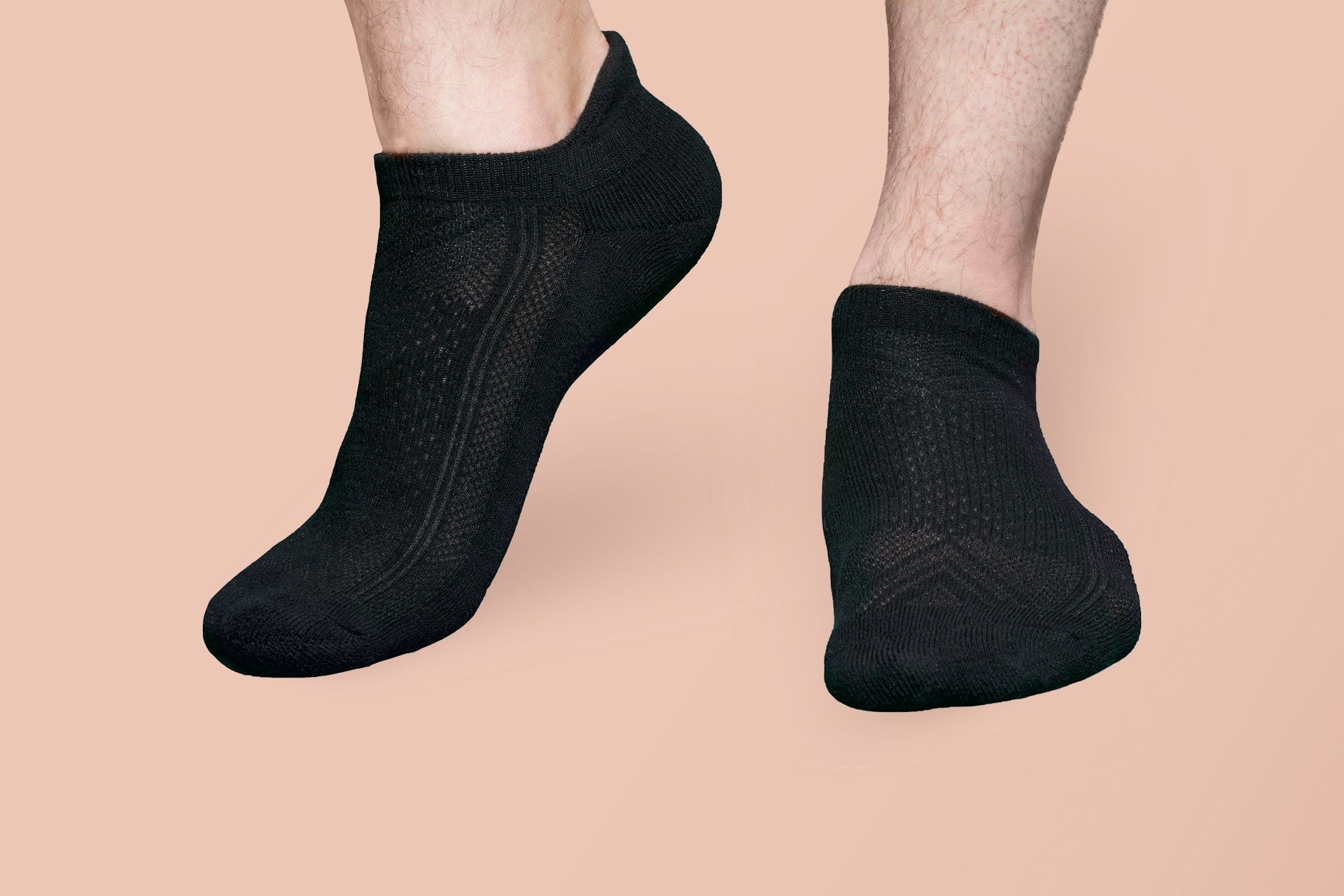
Neoprene socks have quickly become a favorite for paddlers during cooler months. As autumn approaches in Sydney, these snug foot covers provide insulation and reduce friction inside a kayak or surf ski. Using 2.5 mm thick flexible neoprene, they fit closely while offering solid warmth. However, even quality socks can wear faster than expected. The way they are used, washed, and stored can shorten their lifespan. These observations remind us that routine maintenance and careful handling are as critical as the initial quality of the gear. By understanding the common pitfalls in everyday use, washing, and storage, paddlers can significantly prolong the useful life of their neoprene socks.
What Everyday Use Can Do to Your Socks
Regular use inevitably causes wear, but certain habits can speed up the damage. Putting socks on dry feet can stretch seams due to friction, while residual sand, pebbles, or grit in shoes further abrades the material. Launching from gritty beaches also accelerates fiber abrasion, especially for the anti-slip sole. Everyday practices to avoid include:
- Forcing socks over dry skin, which stresses the seams
- Wearing them in shoes or footwells that contain sand or grit
- Launching straight into shallow water or sandy areas without rinsing
Each of these actions contributes incrementally to the breakdown of the neoprene. By modifying these everyday practices, paddlers can avoid premature damage and enjoy the full performance of their socks throughout the season.
How Washing Habits Can Cause Damage
Cleaning neoprene socks requires gentle care. Hot water can strip flexibility and break down adhesive bonds, while harsh detergents accelerate wear. Avoid twisting or wringing the socks, as this can stretch seam stitches and alter their shape permanently. Residues from salt, dirt, and body oils accumulate if socks are not rinsed thoroughly after use, degrading the material over time. Washing habits to avoid include:
- Using hot water or strong household cleaners
- Twisting or wringing socks to force quick drying
- Skipping a rinse after paddling in saltwater or muddy areas
A consistent, gentle cleaning process not only preserves the fabric's integrity but also ensures improved comfort and hygiene. Integrating these practices into your routine creates long-term benefits for your gear, keeping it in better condition session after session.
Storage Mistakes That Break Down Neoprene Sooner
Improper storage can further reduce the lifespan of neoprene socks. Leaving them in a hot car or a cramped boot exposes them to heat that adversely affects the fabric's shape and flexibility. Packing them away while still damp creates folds that weaken the material and encourages mold growth. Repeatedly creasing the same area can cause premature wear along the fold lines. To preserve their condition, avoid:
- Storing them in a warm vehicle or under direct sunlight
- Packing socks while still damp with other wet gear
- Repeatedly folding them instead of laying them flat for storage
Taking a few moments to properly dry and store your socks can prevent long-term damage that might otherwise require early replacement. The small effort in careful storage pays off in retaining both the appearance and functionality of the socks.
Weather and Water Conditions That Wear Socks Out
Sydney’s autumn offers pleasant conditions but also presents challenges that can hasten sock deterioration. Strong sunlight, especially when socks dry on hard surfaces like rocks or rails, can cause them to lose elasticity by drying too quickly. Saltwater residue, if not removed promptly, gradually ages the neoprene fabric. Similarly, drying socks too rapidly in heavy wind may lead to curling or twisting at the seams, causing uneven shrinkage. Key environmental factors include:
- Prolonged exposure to full sun instead of drying in cool shade
- Salt and sand residue that is not rinsed off immediately
-
Uneven drying from wind that twists seams and edges
Being mindful of these environmental factors is essential, as even favorable conditions can become harmful without proper care. Adjusting your drying techniques based on weather changes can be a simple yet effective step in maintaining sock durability.
Signs Your Socks Are Failing Sooner Than They Should
Damage to neoprene socks is not always apparent immediately but becomes evident over time through various warning signs. Areas that experience constant pressure, such as around the heel or ball of the foot, may begin to thin sooner. Cracking or peeling patches and persistent odors, even after cleaning, signal that the material is breaking down. Other indicators include a looser fit or diminished elasticity where the fabric does not rebound as it once did. Recognizing these early signs allows you to adjust your care routine before the socks fail completely. Monitoring these symptoms closely can help prevent further damage and extend the life of your gear.
Keep Your Socks Lasting Longer with Small Tweaks
Simple changes in care can greatly extend the life of neoprene socks. Developing a rinse routine using cool, clean water immediately after paddling prevents the buildup of salt, dirt, and oils. Avoid exposing the socks to heat from hot water, dryers, or car interiors. Instead of folding, lay them flat on a towel or line in a shaded area to dry slowly and evenly, helping them retain their natural shape. When it comes time to store, keep your socks in a cool, dry, and well-ventilated space rather than stuffing them into a confined bag with other wet gear. These small tweaks in routine are easy to incorporate into your regular paddling practices without disrupting your schedule. Consistent care and attention to maintenance details result in gear that feels new for longer, offering both comfort and reliability on the water.
At Nordic Kayaks NSW, we understand how frustrating it is when quality gear wears out prematurely. By adopting proper cleaning routines, gentle washing methods, and careful storage techniques, you can extend the lifespan of your neoprene socks and maintain their performance season after season. Explore our range of neoprene socks for paddling through Sydney’s cooler days, which are made from 2.5 mm flexible neoprene with an anti-slip coating on the sole for extra grip when getting in and out of your boat. Our team is always available to answer questions or assist you in finding the perfect fit available in sizes M to XXL.