
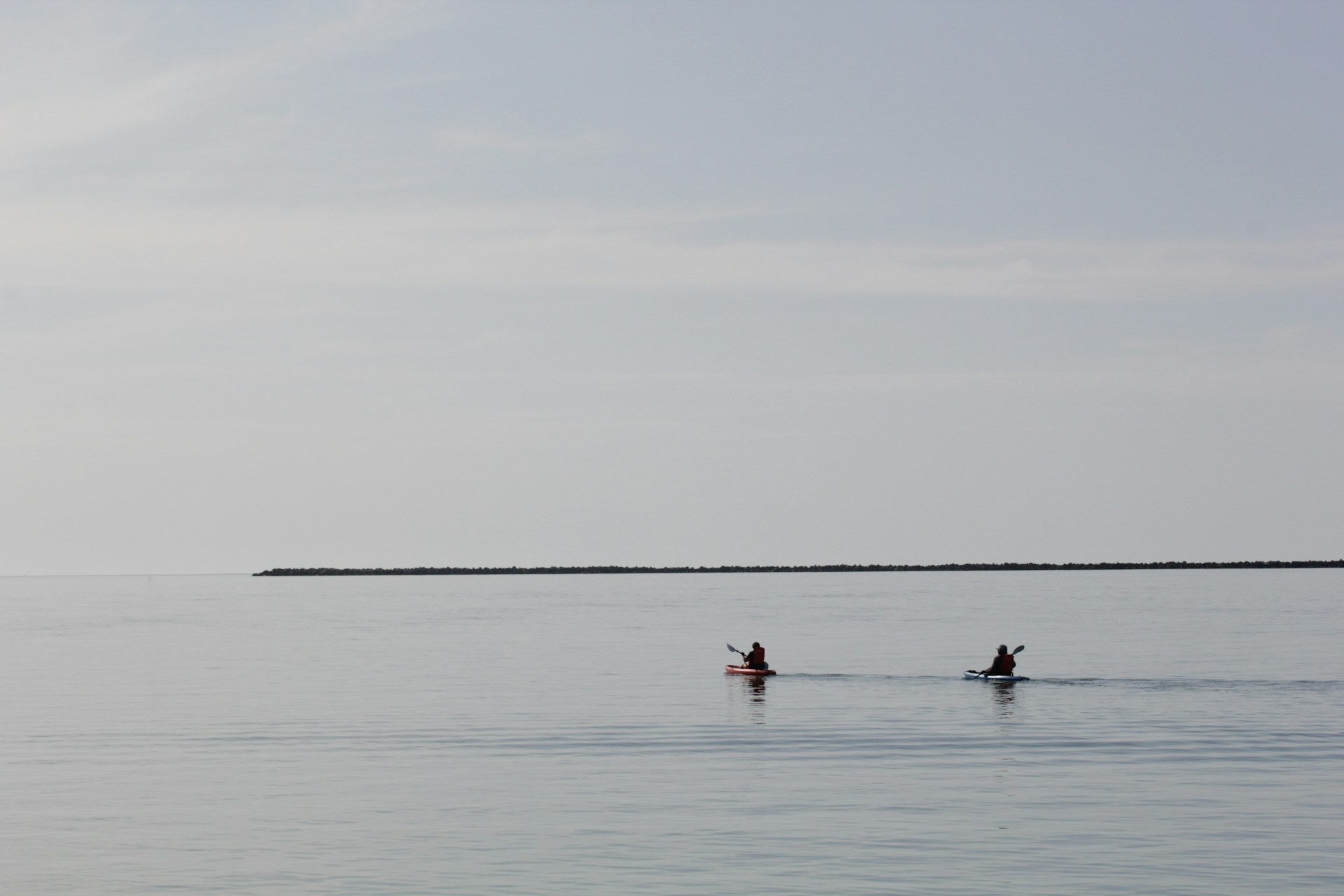
Stay Safe and Confident on Sydney's Open Water
Ocean paddling around Sydney is beautiful, but it can change fast. Winter and spring bring cooler water, shifting winds, surprise fog, and bigger swell, even on days that look friendly from the beach. If something goes wrong, you do not get much time to sort yourself out.
There is a big difference between heading out for a "quick paddle" and being properly ready for a swim, broken gear, or an offshore breeze that will not let you back in. What you wear, what you carry on your body, and what you stash in your ski or kayak all matters. In this guide, we walk through a simple, safety-first gear checklist, split into what stays on your person and what can sit in the hatch, plus NSW rules and smart emergency comms setups that suit local conditions.
Know the Rules Before You Launch
Before we talk gear, we need the basics right. In NSW, kayaks and surf skis are treated as vessels, so boating rules apply once you are on open water.
Key legal points include:
- An approved PFD for each paddler that is the right size and in good condition
- A leg leash for surf skis offshore so you do not lose your craft in a capsize
- A sound signal such as a whistle so others can hear you in fog or swell
Your obligations can change with distance and conditions. For example:
- Once you move further offshore than sheltered bays, you should expect stronger gear and skills requirements
- If you paddle in the dark or in poor visibility, you need proper lights so other vessels can see you
- Colder water means you should think about extra thermal protection, even if the air feels mild
The legal kit is only the minimum. Best practice for Sydney ocean paddlers usually means extra comms devices, better visibility, and backups of key kayak accessories. Common mistakes are paddling without a proper PFD, using a worn-out leash, or assuming a phone in a rear hatch is enough.
What You Must Wear, Not Stow
Anything that keeps you alive or lets you call for help should live on your body, not in your boat. If you lose the ski in a break zone or in strong wind, you still have your core safety gear.
Non-negotiable on-body kit includes:
- Correctly fitted PFD suited to paddling, low profile and not riding up
- Surf ski leg leash, securely attached to your ankle or calf and a strong point on the ski
- Whistle on your PFD for quick sound signals
- High-vis cap, bright PFD or clothing so you stand out in grey chop
- Small safety knife on your PFD in case you need to cut free from a tangle
On-body electronics and comms should be in PFD pockets or clipped to you:
- Mobile phone in a waterproof pouch, set to loud and with lock screen access to emergency calling
- VHF marine radio, if you paddle offshore or in busy traffic areas
- GPS watch with tracking so others can see your route or find your last known location
- PLB or EPIRB for true emergencies where you need fast rescue
The reason "on your person" matters is simple: after a swim, you might be in the water longer than you think. You may be separated from your ski. You still want to be able to call, signal, and be found. Smart kayak accessories, like paddle-specific PFDs with good pockets and low bulk, strong leash attachment points, and hydration packs worn on your back, all help you stay safe without getting in the way of your stroke.
Smart Gear for the Hatch, Deck and Emergency Comms
Not everything has to live on your body. Some gear can sit in hatches or on deck, as long as it is packed well and easy enough to reach when conditions go bad.
Good hatch items for ocean paddling include:
- Dry bag with spare clothing and a light thermal layer
- Extra thermal protection like a beanie or thin gloves
- Compact first aid kit for minor cuts or blisters once you are back ashore
- Tow line, especially if you paddle in groups
- Spare leg leash and some repair tape for simple fixes
- Small multi-tool or screwdriver for quick adjustments
Deck-accessible gear makes your life easier on the move:
- Pump if your craft takes water
- Paddle float if it suits your kayak style and skills
- Snacks you can reach without opening the hatch
- Sunscreen and lip balm, even in winter
- Sunglasses with a retainer strap
- Extra water in a secure holder
Thoughtful kayak accessories can make a big difference under stress. Labelled dry bags, colour-coded pouches for first aid and tools, simple mounting clips for radios or PLBs, and small hatch lights help you find what you need when the sky is dark and your hands are cold.
Your emergency comms setup works best as layers, not just a single device. For Sydney waters, we like to think in three steps:
- Phone in a waterproof case as your everyday contact device
- VHF radio for calling other vessels or marine services if you are offshore
- PLB or EPIRB as the final backup when you need full rescue support
Set up a trip plan with a trusted person on land. Let them know:
- Your launch point and rough route
- Your expected return time
- When they should start to worry and who they should call
Before winter and again as spring starts, test all your gear. Check batteries, do a radio check, confirm your PLB registration, and practice using each device with cold, wet hands. Keep backups like spare batteries or an extra old phone in a hatch dry bag, and plan where devices sit on your PFD so you can grab them without looking.
Fine-Tuning Your Kit
Sydney conditions change with the seasons. In late winter you might add:
- Extra thermal top and gloves in the hatch
- Thicker socks or booties to slow heat loss
- Hot drink waiting in the car for after your session
As days get longer and warmer, the focus swings to sun protection and hydration, while still keeping your cold water plan in mind. Adjust your kit to your paddling style too. Short, hard efforts close to shore can run lighter, while long offshore runs, downwind days, or races call for more backup gear and a sharper pre-launch check.
A quick pre-paddle ritual helps build strong habits:
- Check PFD, leash, whistle, phone or radio, PLB on your body
- Confirm hatch contents are packed, sealed and secured
- Review wind, swell, tide and any warnings
- Test key comms devices and GPS tracking
Treat safety gear as part of your performance setup, not dead weight. Confidence lets you relax, work on technique and enjoy the bumps.
FAQ
What Safety Gear Is Legally Required for Ocean Kayaking in NSW?
You need an approved PFD for each paddler, a leg leash for surf skis offshore, and a way to make sound signals like a whistle. You must follow general navigation rules and use lights if you paddle in the dark or in poor visibility. These are only the basic rules, and we strongly suggest adding comms devices and thermal protection for open water.
What Should I Always Carry on My Body, Even on Short Paddles?
Wear your PFD and leg leash, and keep a whistle, phone in a waterproof pouch or VHF radio, and some ID with emergency contacts on you. A PLB is a smart extra. Anything you need for rescue should stay on your body, not in the hatch.
How Do I Choose the Right PFD and Leash for Surf Ski Paddling?
Look for a low-bulk, paddle-specific PFD that allows good rotation and has secure pockets for your phone, PLB and snacks. Your leg leash should be strong, made for surf skis, and matched to your ski's length. Attach it to a solid, reinforced point and check both the cord and clips for wear often.
Are Expensive Kayak Accessories Really Worth It for Safety?
Some higher-priced items matter a lot, like a reliable PLB, a good VHF radio, a strong leg leash and quality dry bags that do not leak. Others are more about comfort and performance. We suggest getting the proven safety gear sorted first, then adding comfort and speed upgrades over time.
How Often Should I Check and Refresh My Ocean Safety Kit?
Do a quick visual check every paddle. At the start of each season, go deeper: test electronics and charging, inspect leashes, PFD straps and buckles, replace expired flares or update PLB details if needed, and make sure everything still fits your current paddling and body shape. Regular attention keeps your kit ready when you actually need it.
Upgrade Your Paddling Experience With The Right Gear
Ready to make every session on the water more comfortable, efficient and enjoyable? Explore our curated range of kayak accessories specifically selected to complement your craft and conditions. At Nordic Kayaks NSW, we are here to help you choose the gear that suits your goals, whether you are racing, training or exploring your local waterways. If you would like tailored advice before you buy, simply contact us and we can work through the options with you.